AI Voice Training Jobs: Your Complete Career Guide
Voice actors spent decades building careers on one simple asset: their voice. Now the industry they built is shifting under their feet. AI voice technology is advancing fast, and it's creating a whole new category of work that didn't exist five years ago.
AI voice training jobs are real. Companies are paying people to record scripts, evaluate audio quality, improve voice models, and push the technology forward. The work is varied, the demand is growing, and you don't need a Hollywood resume to get started.
This guide covers what these jobs actually are, who's hiring, how much they pay, and how to position yourself for work in an industry that's just getting started. Whether you're a seasoned voice actor looking to pivot, a tech-curious freelancer, or someone who just loves working with audio, there's a path here for you.
What Are AI Voice Training Jobs?
AI voice systems don't learn on their own. They need human input, lots of it, to sound natural, handle edge cases, and produce quality output across different voices, languages, and emotional tones.
That's where AI voice training jobs come in. These are positions where humans contribute to building, improving, or evaluating AI voice technology. The work sits at the intersection of audio production, linguistics, and machine learning, but you don't need to know how to code to do most of it.
The basic idea is straightforward. When a company builds a text-to-speech system or a voice clone, they need training data. That data has to come from somewhere. Often it comes from real people recording thousands of phrases, reading scripts in specific emotional registers, and providing feedback on how AI-generated audio sounds. Once a model is trained, QA testers listen to outputs and flag problems. Voice specialists work with engineers to refine the system.
The technology behind platforms like TryAIVoices is powered by exactly this kind of human contribution. Real voice data, real human evaluation, and ongoing refinement are what separate a convincing AI voice from a robotic mess.
The market for voice training data is large. Text-to-speech is used in audiobooks, navigation systems, smart home devices, gaming, customer service bots, and entertainment. Each application needs voices that sound right for the context. A friendly GPS voice needs different training than a dramatic movie trailer narrator or a cartoon character voice. This diversity of use cases means ongoing demand for voice workers across many different niches.
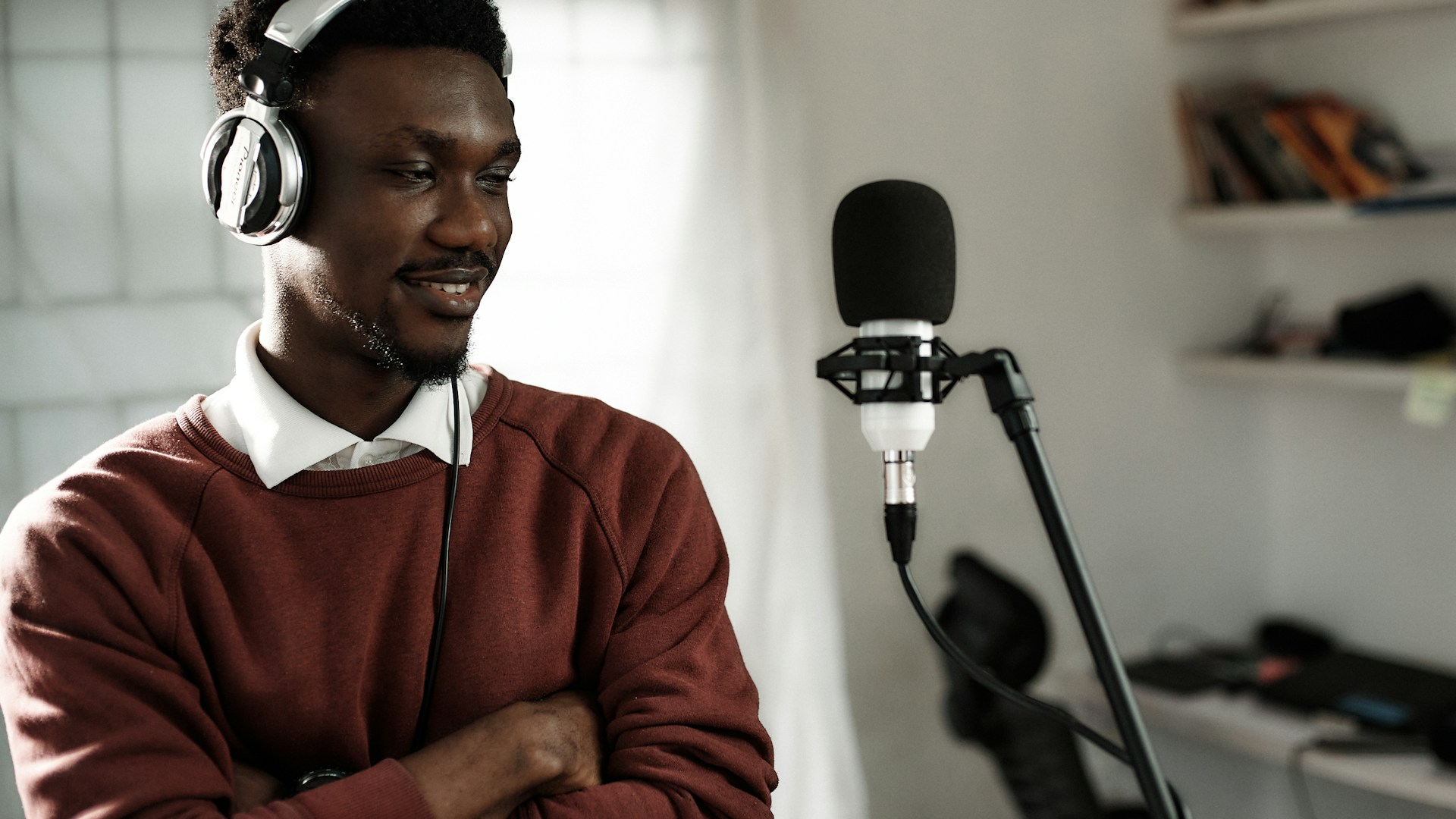 Photo by Emmanuel Ikwuegbu on Unsplash
The Different Types of AI Voice Training Work
Not all AI voice training jobs look the same. Some involve sitting at a microphone for hours. Others are more analytical, requiring you to listen carefully and make judgment calls. Some are highly technical. Understanding the different categories helps you figure out where your skills fit.
Voice Data Recording
This is the most common entry point. Companies hire people to record large volumes of audio that gets used to train speech recognition and text-to-speech systems. The work involves reading scripts aloud, maintaining consistent vocal quality, and delivering audio files in specific formats.
Data recording work tends to emphasize diversity. Companies want voices across different ages, genders, accents, and languages. A 25-year-old with a neutral American accent and a 60-year-old with a thick Boston accent are both valuable for different reasons. The more distinctive your voice, the more you stand out.
Projects vary in length. Some are short one-off contracts, a few hours of recording for a flat fee. Others are ongoing relationships where you record batches every week. The scripts themselves can be anything: sentences designed to capture specific phonemes, product names, numbers and dates, or emotional phrases meant to teach the AI how to express feeling.
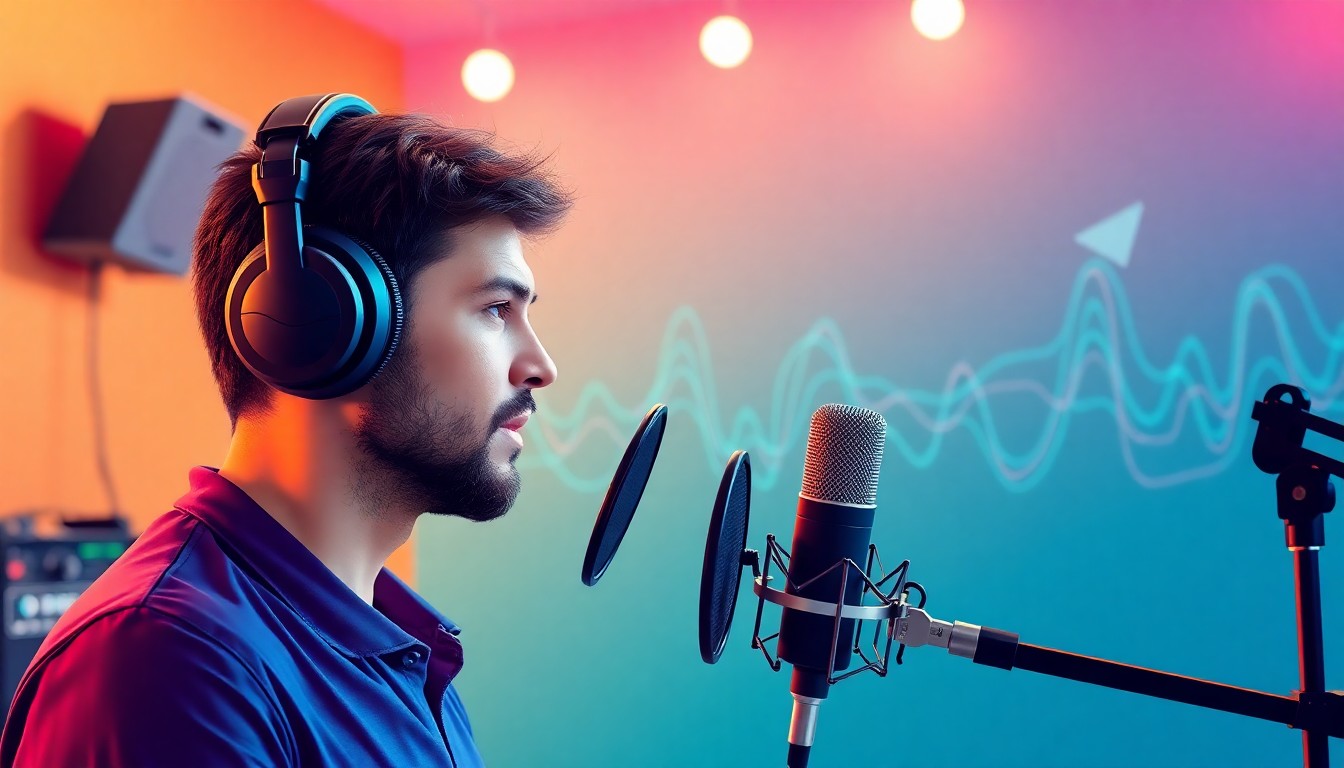
Good microphone technique matters a lot here. Companies want clean recordings with minimal background noise and consistent volume. You don't need a professional studio setup, but you need something better than a laptop mic.
Quality Assurance and Evaluation
QA work is less physically demanding but requires good ears and clear judgment. Your job is to listen to AI-generated audio and evaluate it against specific criteria. Does it sound natural? Is the pronunciation correct? Does the emotional tone match the script? Are there artifacts or glitches in the audio?
QA roles often come with scoring rubrics. You might rate clips on a scale from one to five across multiple dimensions, or flag specific problems like mispronounced proper nouns or awkward pauses. Some companies use simple web-based tools that let you listen and score without any technical setup on your end.
This type of work is a great fit for people with strong attention to detail who don't necessarily want to do their own recording. Linguistics background helps, but isn't always required. A good ear and the ability to articulate why something sounds off are the main qualifications.
Prompt Engineering and Voice Model Configuration
As AI voice tools become more sophisticated, there's growing demand for people who understand how to get the best output from them. This is sometimes called prompt engineering, though for voice work it's more about understanding model parameters, emotional settings, pacing controls, and the relationship between input text and output audio.
Think of it like this: the difference between a mediocre AI voiceover and a compelling one often comes down to how you set up the generation. Knowing how to write scripts that work well with AI voices, understanding which settings to adjust, and being able to iterate quickly toward a target sound are all skills that companies value.
TryAIVoices offers detailed guidance on getting the most from AI voice generation. Platforms like this demonstrate that good voice output requires human expertise in configuration, not just technical setup.
AI Voice Content Creation
There's a growing category of work where the job is essentially to use AI voice tools professionally to create content for clients. This isn't traditional voice training per se, but it feeds directly into the AI voice ecosystem.
Content creators, YouTubers, and agencies hire specialists who know how to produce high-quality voiceovers using AI tools. The work involves selecting the right voices from libraries like the TryAIVoices voice library, writing scripts that work well with AI delivery, and editing the final output to fit the content.
Characters like Morgan Freeman, Obama, and Trump are popular for political commentary and satire. Gaming content creators gravitate toward Darth Vader, Goku, and characters from their favorite franchises. Knowing which voices work for which purposes is itself a marketable skill.
Accent and Language Specialization
This is a growing niche that often pays above average rates. AI systems need training data in dozens of languages and regional dialects. Someone who speaks fluent Mandarin with a native accent, or who grew up in rural Texas with an authentic drawl, offers something that can't be faked.
If you speak multiple languages or have a distinctive regional accent, you're in a better position than you might think. The demand for diverse voice data spans every major language and many minority languages. Smaller language markets often have higher rates per hour because the supply of qualified speakers is limited.
 Photo by Karolina Grabowska on Unsplash
Who Hires for AI Voice Training Work?
The market is broader than most people realize. You're not just looking at big tech companies.
Large technology companies building their own voice assistants and TTS systems are the most well-known employers. Think of the teams behind major smart speakers, navigation apps, and virtual assistants. These companies hire both full-time employees and large batches of contractors for data collection work.
AI voice startups are often faster moving and more interesting to work with. They tend to hire specialists rather than generalists and are building novel voice applications. Companies in the AI entertainment, gaming, and content spaces are particularly active.
Data collection agencies act as intermediaries. They aggregate voice data projects from multiple clients and coordinate freelancers to do the recording or evaluation work. This is often the easiest entry point for beginners since these agencies manage the logistics and provide clear instructions.
Audio production companies that are transitioning to AI-augmented workflows need people who understand both traditional voice production and AI tools. These roles often pay well because they combine technical skills with audio expertise.
Gaming studios deserve special mention. The gaming industry uses enormous amounts of voice work for characters, narration, and interactive dialogue. As AI voice tools become part of their pipelines, studios need people who can manage voice assets, configure AI systems, and ensure consistent character voices. Browse the gaming voices library to get a sense of the diversity of character voices used in gaming content.
The celebrities and politicians voice categories are also used extensively in entertainment and satire content, driving demand for specialists in those niches.
Skills That Get You Hired
You don't need a professional recording studio or a degree in linguistics to get started. But you do need a clear skill set that matches what employers are actually looking for.
Clear, consistent voice delivery is the baseline for recording work. This doesn't mean having a "radio voice." It means being able to read a script at a consistent pace, maintain even volume, and deliver the same energy across long recording sessions. Fatigue is a real factor. Companies want people who sound good at hour three just like they did at hour one.
Good recording environment and equipment matter more than people expect. You don't need a professional booth. A treated home office or a closet full of clothes can work. But you do need a decent USB condenser microphone (not a gaming headset), something to reduce echo, and the ability to produce recordings below about 40 decibels of background noise. Recording quality is often the first thing evaluated in a test submission.
Attention to detail and good ears are critical for QA work. You need to catch subtle pronunciation errors, identify unnatural phrasing, and articulate problems clearly in written feedback. If you can hear when something sounds slightly off but can't explain why, you'll struggle with evaluation roles. Practice describing audio quality the way a sound engineer would.
Familiarity with AI voice tools is increasingly valuable across all these roles. Understanding how platforms like TryAIVoices work, what makes AI voices succeed or fail, and how to configure generation settings positions you as someone who can contribute beyond just recording a script. Explore the voice library and generate audio with different voices to build intuition.
Language and dialect expertise is a force multiplier. Fluency in multiple languages, or strong expertise in a specific dialect, expands your market considerably.
Reliability and professionalism round things out. Freelance voice work lives and dies on turnaround time. If a company sends you a batch of 200 phrases to record and needs them back in 48 hours, they need to know you'll deliver. Building a reputation for consistent, clean, on-time submissions is what turns one-off contracts into long-term relationships.
How Much Do AI Voice Training Jobs Pay?
Rates vary considerably based on the type of work, the company, and your experience. Here's a realistic range of what to expect.
Voice data recording typically pays anywhere from $15 to $50 per hour for standard work. Higher rates come with specialized requirements like rare languages, character voices, or emotional performance. Some projects pay per audio clip or per word rather than by the hour. Per-clip rates often end up around $0.10 to $0.50 per short phrase, which adds up quickly if you're efficient.
QA and evaluation work tends to pay $12 to $25 per hour for basic rating tasks. More specialized evaluation requiring linguistic expertise can go higher. Some platforms pay per task, which is less predictable but can work well if you're fast.
Specialized character and celebrity voice work is where rates get interesting. If you're a voice actor who can convincingly perform as a specific character type or deliver in a highly specific style, premium rates apply. Professional voice actors bringing character work to AI platforms can command $100 to $400 per hour for high-quality, on-brand recordings.
Full-time roles at AI companies doing voice research or voice product work typically pay $60,000 to $120,000 annually depending on location and expertise. These are more technical roles that require a combination of audio skills and domain knowledge.
Content creation and prompt engineering rates depend largely on client budget and project scope. Freelancers charging for AI voiceover production typically bill $50 to $150 per finished audio minute, depending on complexity and revision cycles.
The field is still establishing standard rates. Early movers who build strong reputations now are positioned to command better rates as demand increases. Our pricing page gives a good sense of what subscription costs look like from a user perspective, which indirectly tells you what the market values in AI voice quality.
 Photo by israel palacio on Unsplash
Building Your Home Recording Setup
You don't need to rent studio time. A solid home setup can produce professional-quality recordings that meet industry standards. Here's what you actually need.
The Microphone
A USB condenser microphone is the starting point for most people. Options in the $80 to $150 range produce recordings that are entirely acceptable for data collection and QA work. The Blue Yeti and Audio-Technica AT2020USB are commonly recommended starting points. If you're serious about building a recurring income stream, a mid-range XLR microphone with a USB audio interface gives you more control and typically sounds better.
Avoid dynamic microphones for this type of work unless you have a specific reason. Condensers capture the natural qualities of the voice more accurately, which is what AI training data needs.
Acoustic Treatment
This is where many beginners go wrong. An expensive microphone in a reflective room sounds worse than a budget mic in a treated space. You need to reduce echo and minimize background noise.
Closets are underrated recording environments. Hanging clothes absorb sound effectively. If you're recording in a room, heavy curtains, a bookshelf full of books, and some acoustic foam panels make a real difference. The goal isn't perfect silence, it's reducing the reverb that makes recordings sound hollow and unprofessional.
Check your recordings by listening with headphones and looking at the waveform. Consistent amplitude with no sudden spikes from ambient noise and no muddy echo is what you're after.
Recording Software
For data collection work, simple is better. Audacity is free and handles everything you need: recording, editing, exporting in the right file format. Most companies want WAV files at 44.1kHz or 48kHz sample rate. Audacity handles this easily.
Learn basic editing operations: how to trim silence at the start and end of clips, how to normalize volume levels, and how to remove background hiss with noise reduction. These are standard skills that show up in almost every job listing.
The Recording Environment
Pick a time and place where you can control noise. Record at night if daytime traffic is loud. Turn off HVAC units during takes. Close windows. Alert anyone in your home that you're recording so you don't get interruptions.
Consistency matters in data collection. The voice model being trained on your recordings needs them to sound like they came from the same person in the same environment. Switching rooms or recording at different times of day in noticeably different acoustic conditions can degrade the usefulness of your submissions.
Where to Find AI Voice Training Jobs
The job market for this work is scattered across several different platforms and ecosystems. You need to know where to look.
Freelance data platforms are the most accessible starting point. Appen, Lionbridge (now TELUS International), and DataAnnotation are among the larger companies that consistently post voice recording and evaluation projects. These platforms have been around for years and run ongoing projects for multiple tech clients. The trade-off is that rates tend to be on the lower end since they're competing on volume.
AI startup job boards are worth monitoring if you want more interesting work. Companies building novel voice products often post directly on their own sites and on LinkedIn. Following AI voice companies on social media is an efficient way to catch new postings.
Voice actor platforms are evolving to incorporate AI work. Voices.com and Voice123 now include AI-related project listings alongside traditional voice acting work. If you're already active on these platforms, check for AI-specific project categories.
Direct outreach can work well if you have a specialized voice or skill set. Identify companies building voice products in your area of interest and reach out directly. A short message explaining your background, what you can offer, and linking to a sample recording is often enough to open a conversation.
Gaming and entertainment companies are worth targeting specifically if you have character voice skills. The demand for convincing character voices in interactive entertainment is high. Companies working on games, apps, and content using voices similar to those in the TryAIVoices gaming library or anime section are often open to working with specialized performers.
Tech conferences and communities focused on AI are underrated networking venues. The people hiring for voice work attend these events. Being visible in AI voice communities online, whether on Discord servers, Reddit communities focused on AI audio, or LinkedIn groups, puts you in front of decision makers.
 Photo by Emmanuel Ikwuegbu on Unsplash
How to Stand Out as a Candidate
The competition for entry-level voice data work is high because the barrier to entry is low. Here's how to differentiate yourself.
Build a demo reel that shows range. Record a few short samples demonstrating different emotional registers, pacing styles, and speaking contexts. Professional narration, casual conversation, dramatic reading, and technical instruction all sound different. Showing you can deliver across these styles makes you more versatile and more hireable.
Specialize strategically. Rather than positioning yourself as "available for any voice work," pick one or two specific niches and become known for them. This could be your language skills, your regional accent, your ability to do character voices convincingly, or your technical background in audio engineering. Specialists consistently earn more than generalists.
Create a portfolio of clean recordings. Before applying to paid work, record a batch of 50 to 100 sample phrases that show your technical capabilities. Cover different sentence lengths, punctuation patterns, questions versus statements, and emotional tones. This demonstrates that you understand what good training data looks like, not just that you have a nice voice.
Get technical. Companies value people who understand the AI voice ecosystem. Read about how text-to-speech systems work. Experiment with platforms like TryAIVoices to understand how voice generation actually operates from the user side. Experiment with the Morgan Freeman voice generator or the Obama AI voice to understand what high-quality voice models sound like. Understanding the product helps you contribute more meaningfully to building it.
Learn from the community. Check out guides on how to make an RVC AI voice model and resources on AI voice cloning to understand the technical side of how voice models are built. This knowledge translates directly into better performance in training and QA roles.
The Legal Landscape: Protecting Your Voice
This is the part of AI voice training jobs that most guides skip, and it's important. Before you submit recordings for AI training, understand what you're agreeing to.
Read your contract carefully. The key question is what rights you're transferring. Some contracts grant the company a perpetual, worldwide, royalty-free license to use your voice recordings however they choose, including to build commercial voice products. Others are more limited. The difference matters significantly, especially if you're a professional voice actor whose voice is your primary livelihood.
Watch for voice cloning provisions. Some agreements explicitly permit the company to create a synthetic voice modeled on your recordings. This means they can generate unlimited audio that sounds like you, indefinitely, after your contract ends. That's a very different proposition than just recording training data for a speech recognition system.
Understand revenue sharing. A handful of companies are experimenting with models where voice actors share in the revenue generated by AI systems trained on their voice. This is the more ethical model and one worth seeking out. The AI voice cloning regulation news landscape is evolving, with some jurisdictions beginning to require explicit consent before a voice can be replicated.
Protect your highest-value work. Many professional voice actors separate their "AI training" work from their core commercial voice identity. They record AI training data in a slightly different register, accent, or style to avoid having their most distinctive voice easily replicated. This is a reasonable precaution while the legal and commercial frameworks are still developing.
Check for non-compete clauses. Some AI voice training contracts prohibit you from doing similar work for competitors for a period of time. If you're planning to work with multiple clients simultaneously, check whether this is an issue before signing.
The guide on AI celebrities voices touches on some of the ethical considerations around voice replication that are relevant here.
From Training Data to Creative Content: The Full Picture
AI voice training is one side of the equation. The other side is using AI voices creatively. Understanding both sides positions you better professionally.
Voice performers who contribute to AI training data are building the systems that creative professionals use. Those creative professionals, producing content for YouTube, TikTok, podcasts, and gaming, represent another growing job category that feeds off the same technology.
Creators who know how to work with AI voice platforms, choosing the right voices from libraries like the TryAIVoices library or finding the perfect fit among celebrity voices and politician voices, are building real businesses. The Spongebob voice generator and similar cartoon voices are used in viral content every day. The Joe Rogan voice and Elon Musk voice appear in satire and commentary across social platforms.
Knowing both the production side (how AI voice models are built and trained) and the creative side (how they're used effectively in content) gives you a fuller picture and more career flexibility. Our guide to celebrity AI voice generators and the overview of the best AI voice generators are good starting points for the creative side.
The Future of AI Voice Work
The trajectory is clear: AI voice technology is becoming more capable, more widespread, and more commercially significant. What that means for the people working in this space is mostly good, with some caveats.
Demand for quality training data will increase. As AI companies push for more realistic, expressive, and emotionally nuanced voice synthesis, the bar for training data quality rises. Generic, flat recordings become less valuable. Distinctive, expressive, high-quality recordings become more valuable. This rewards skilled performers who invest in their craft and equipment.
Specialization becomes more valuable. General-purpose voice recording work will likely see pricing pressure from increased supply. But specialist work, rare languages, character voices, emotional performance, technical evaluation, will command premium rates. The performers who build genuine expertise in a specific area will be in the best position.
New roles will emerge. Voice model curators, AI voice quality directors, voice prompt engineers, synthetic voice actors who specialize in specific character types, these are roles that barely exist today. Companies building serious voice products will need dedicated specialists who can manage the intersection of voice performance and AI systems.
Ethical and regulatory frameworks will mature. The current period is one of rapid change with limited regulation. Expect clearer rules around consent, compensation, and voice replication rights over the next several years. Performers who understand the existing landscape and engage with industry groups shaping these standards will be better prepared for what comes next.
The creative side will grow. AI voice tools are enabling a new category of solo creators and small studios to produce content that previously required expensive voice talent. Check out resources on rappers and AI voice tools or the parrot AI celebrity voice generator to see what's possible today. As these tools improve, the market for people who know how to use them professionally will expand.
The performers, specialists, and creators who treat this as a serious professional domain, rather than just a quick side hustle, are the ones who'll build lasting careers in it.
 Photo by Jonathan Velasquez on Unsplash
Frequently asked questions
What background do I need for AI voice training jobs?
Most data recording roles have minimal requirements beyond a decent microphone, a quiet recording environment, and the ability to read scripts clearly. More specialized roles like QA evaluation, prompt engineering, or language-specific recording benefit from relevant experience. You don't need a voice acting background, though it helps for roles requiring expressive delivery.
How do I start with no experience?
Start with the freelance data platforms like Appen or TELUS International. They have defined onboarding processes and provide clear instructions for each project. Complete a few small projects to build your profile, collect positive reviews, and demonstrate reliability before pursuing higher-paying roles. Use that time to improve your setup and recording quality.
Can I do AI voice training work alongside a regular job?
Most freelance voice data and QA work is flexible. Projects typically specify a deadline for submission rather than a set schedule. You can record early in the morning, in the evening, or on weekends. The main constraint is having access to a quiet environment when you need to record.
Are AI voice training jobs only for English speakers?
Not at all. There's strong demand for speakers of every major language and many smaller ones. Non-English speakers with native fluency in languages like Mandarin, Spanish, Hindi, Arabic, or less common languages like Urdu or Haitian Creole often find the competition is lower and rates are higher. Bilingual speakers who can deliver natural-sounding recordings in both languages are particularly valuable.
How much can I realistically earn?
This depends heavily on the type of work and how many hours you put in. Part-time freelancers doing data recording typically earn $500 to $1,500 per month working 10 to 15 hours per week. Full-time specialists in technical or character voice roles earn considerably more. Building toward a $3,000 to $5,000 monthly income from a combination of recording, QA, and content creation work is achievable but takes time to establish.
What makes a voice recording "good" for AI training purposes?
Clean audio with minimal background noise and echo. Consistent volume and pacing across a recording session. Natural delivery without over-articulation or artificial emphasis. Following the script exactly, including any unusual capitalization or punctuation that's meant to guide your delivery. Correct pronunciation of technical terms, proper nouns, and non-English words. Getting these basics right separates acceptable submissions from excellent ones.
Should I use AI voice generators myself if I'm doing AI voice training work?
Yes. Using platforms like TryAIVoices helps you understand the output quality these systems can achieve, which makes you a better QA evaluator and a more informed recording contributor. Experimenting with Snoop Dogg, Taylor Swift, Nicki Minaj, or other popular voice models gives you a visceral sense of what good AI voice synthesis looks and sounds like in practice.
Related voices to try
Related guides
AI voice training jobs are a real and growing career path. The work exists across recording, evaluation, specialization, and creative production. Companies need skilled contributors right now.
Start with your current setup. Find one platform, one project type, one niche to focus on. Build the reputation that opens bigger doors.
TryAIVoices offers 500+ celebrity and character voices for creative projects. Whether you're exploring the creative side of AI audio or building expertise to take into the training and development space, start generating today.